Welcome to Ningbo Kumsung Machinery Co., Ltd.
Electric Sleeve Pre-Assembly & Flaring Machine: Functions, Operation, and Buyer’s Guide
Introduction to Electric Sleeve Pre-Assembly & Flaring Machines
In the world of modern hydraulic systems, fluid transmission lines are expected to perform under extremely high pressures while maintaining absolute reliability. Every connection, every joint, and every fitting must be perfectly formed to prevent leaks, fatigue, or catastrophic failure. One critical process that ensures these connections meet industry standards is the combination of sleeve pre-assembly and tube flaring.
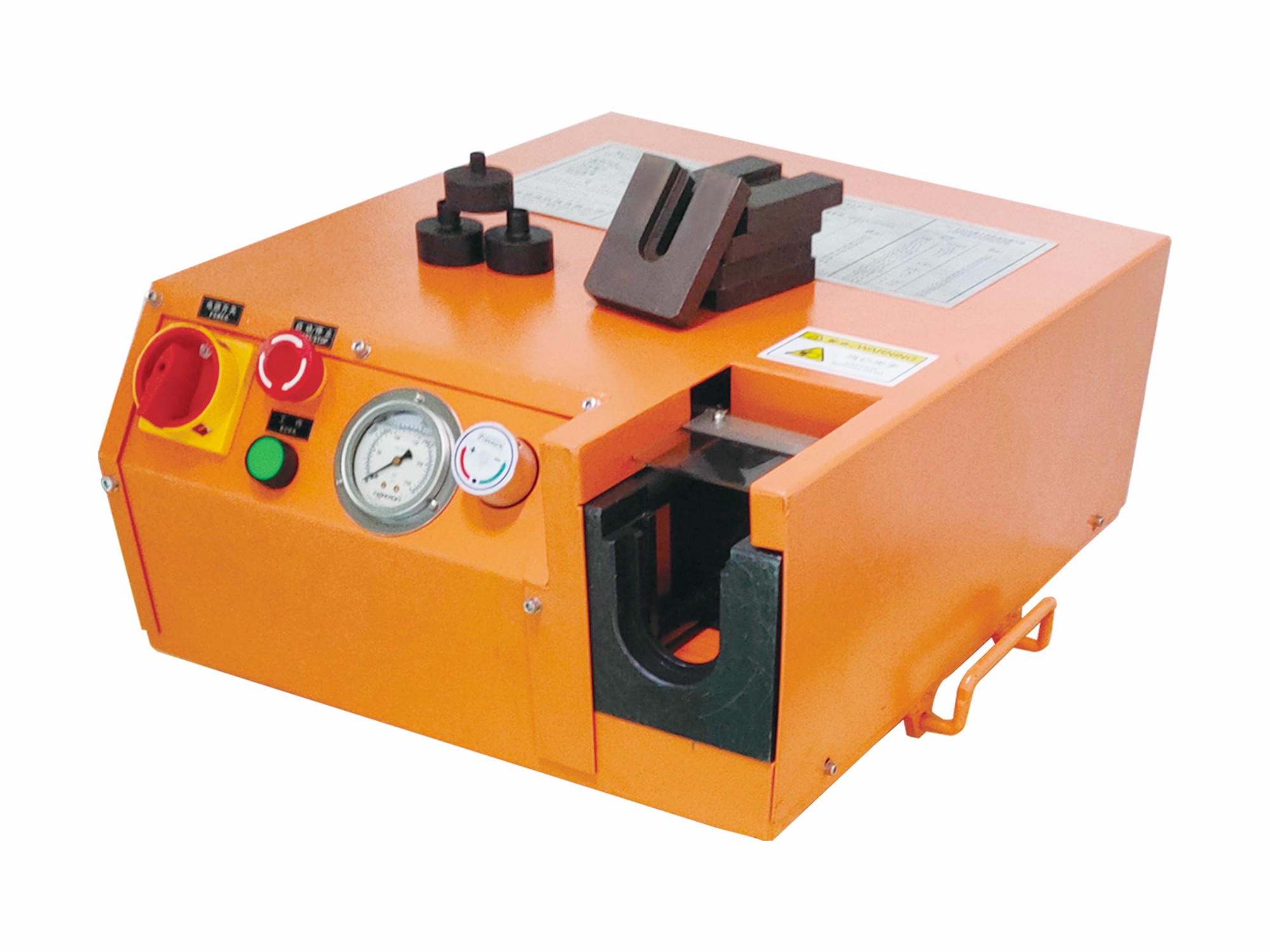
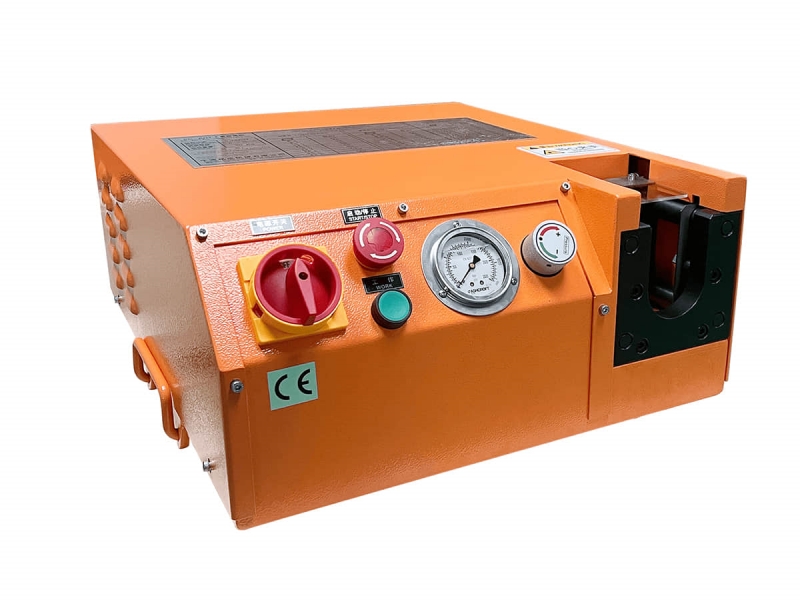
An electric sleeve pre-assembly & flaring machine is a specialized piece of industrial equipment designed to automate these processes. It precisely shapes tube ends, assembles sleeves or cutting rings, and prepares hydraulic pipes for flawless connections. Compared to manual methods, electric-hydraulic models deliver higher precision, faster cycle times, and consistent results across large production runs.
From small hydraulic workshops to large-scale OEM manufacturing lines, these machines are indispensable. But with multiple specifications, control systems, and build qualities available, knowing what to look for before making a purchase is essential for both performance and return on investment.
How Electric Sleeve Pre-Assembly & Flaring Machines Work
Core Principle
An electric sleeve pre-assembly & flaring machine performs two main operations on a tube:
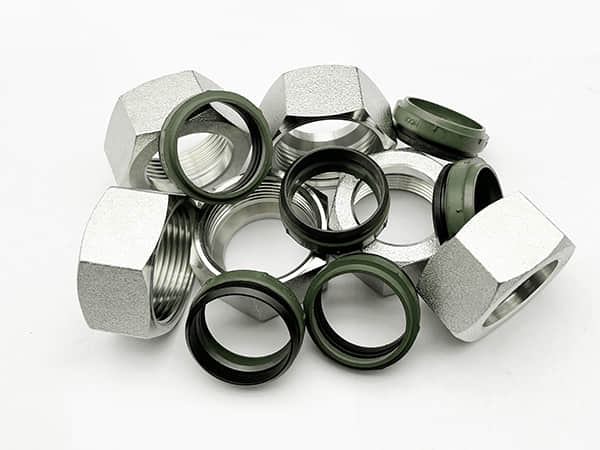
Pre-Assembly – This involves pressing a sleeve or cutting ring onto the tube end at a precise position and pressure. This step ensures the mechanical grip and sealing interface will be correct when assembled in the field.
Flaring – The tube end is expanded (flared) to a specific angle or diameter, typically 37° or 90°, depending on the application. Flaring increases surface contact and improves sealing reliability.
Electric-Hydraulic Control
Many modern units, often referred to as electric-hydraulic sleeve pre-assembly flaring machines, use an electric motor to drive a hydraulic pump. The hydraulic pressure then powers the tooling that shapes the metal. This combination offers:
Consistent force output for uniform quality
Adjustable pressure settings for different tube materials
Faster operation compared to purely manual devices
Cycle Process
Typical automated cycle steps include:
The operator inserts a cut and deburred tube into the machine’s clamping system.
The machine automatically aligns and secures the tube.
The pre-assembly process presses the sleeve or cutting ring onto the tube.
The flaring cycle is initiated, expanding the tube end to the required dimensions.
The machine releases the finished part, ready for installation.
This automated sequence minimizes operator error, reduces rework, and extends tool life through precise pressure control.
Key Specifications to Consider Before Buying
Selecting the right sleeve preassembly and flaring machine for 6–42 mm tubes or other sizes involves evaluating technical details that directly influence productivity and part quality.
1. Tube Size Range
A versatile model should handle a wide range of diameters, commonly 6–42 mm, to accommodate various hydraulic and pneumatic systems. Oversized or undersized capacity may limit future flexibility.
2. Drive Type
Common drive types include:
Electric-Hydraulic – Ideal for production lines; offers speed and repeatable force.
manual-Hydraulic – Lower cost but slower, suitable for low-volume work.
Fully Electric Servo-Driven – Offers ultra-precise control for specialty applications.
3. Pressure and Power Ratings
The required pressure depends on tube material (steel, stainless steel, copper) and wall thickness. Higher-pressure systems can handle harder alloys but may require heavier tooling.
4. Cycle Time
Production efficiency depends on how quickly the machine can complete pre-assembly and flaring cycles. Advanced models can achieve sub-20-second cycles without sacrificing accuracy.
5. Control Panel and Interface
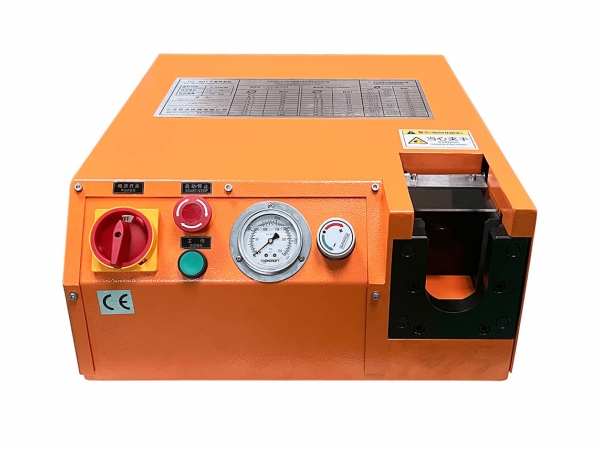
Look for intuitive digital displays that allow easy setting adjustments, error detection, and maintenance alerts. Modern HMI (Human Machine Interface) systems improve operator productivity.
6. Safety Features
A high-quality electric sleeve flaring and pre-assembly machine should include:
Two-hand control to prevent accidental activation
Safety guards around moving parts
Emergency stop buttons
Overpressure protection
Common Questions About Electric Sleeve Pre-Assembly & Flaring Machines
How to operate an electric sleeve pre-assembly & flaring machine?
While each manufacturer has unique controls, the typical workflow includes:
Preparing the tube (cut, deburr, clean)
Inserting the tube into the clamping fixture
Selecting the correct sleeve or cutting ring type
Initiating the pre-assembly cycle
Switching to the flaring cycle if required
Inspecting the finished tube end
Following manufacturer guidelines ensures consistent quality and extends equipment lifespan.
What are the differences between electric-hydraulic and manual machines?
Key differences:
Electric-Hydraulic models use motor-driven hydraulic pumps for rapid, repeatable cycles — ideal for mass production.
Manual versions rely on operator force, slower cycle times, and may produce variable results depending on skill.
Electric-hydraulic machines typically cost more but reduce long-term labor expenses.
Can one machine handle both flaring and pre-assembly?
Yes, many universal flaring and pre-assembly machines integrate both processes into a single unit. These are popular for workshops that need flexibility without dedicating floor space to two machines.
How to maintain and calibrate the machine for accuracy?
Clean clamping jaws and tooling after each shift
Lubricate moving parts as specified
Check hydraulic oil levels and replace periodically
Calibrate pressure settings with a certified gauge
Replace worn tooling to avoid defects
Comparing Electric-Hydraulic vs. Manual Sleeve Machines
Use the table below for a quick comparison. (Note: this is a general comparison — check specific model specs when making purchasing decisions.)
| Feature | Electric-Hydraulic | Manual |
|---|---|---|
| Speed | Fast, consistent cycles | Slower, variable |
| Precision | High, repeatable force control | Depends on operator skill |
| Cost | Higher initial cost | Lower initial cost |
| Labor | Less operator fatigue | More physically demanding |
| Best Use | High-volume production | Low-volume or field work |
From a total cost of ownership perspective, electric-hydraulic sleeve pre-assembly flaring machines often justify their higher price through efficiency gains and reduced scrap.
Safety and Best Practices in Operation
Operating a best electric sleeve pre-assembly & flaring machine safely involves combining manufacturer guidelines with general industrial safety principles:
Always wear protective eyewear and gloves
Keep hands clear of moving tooling
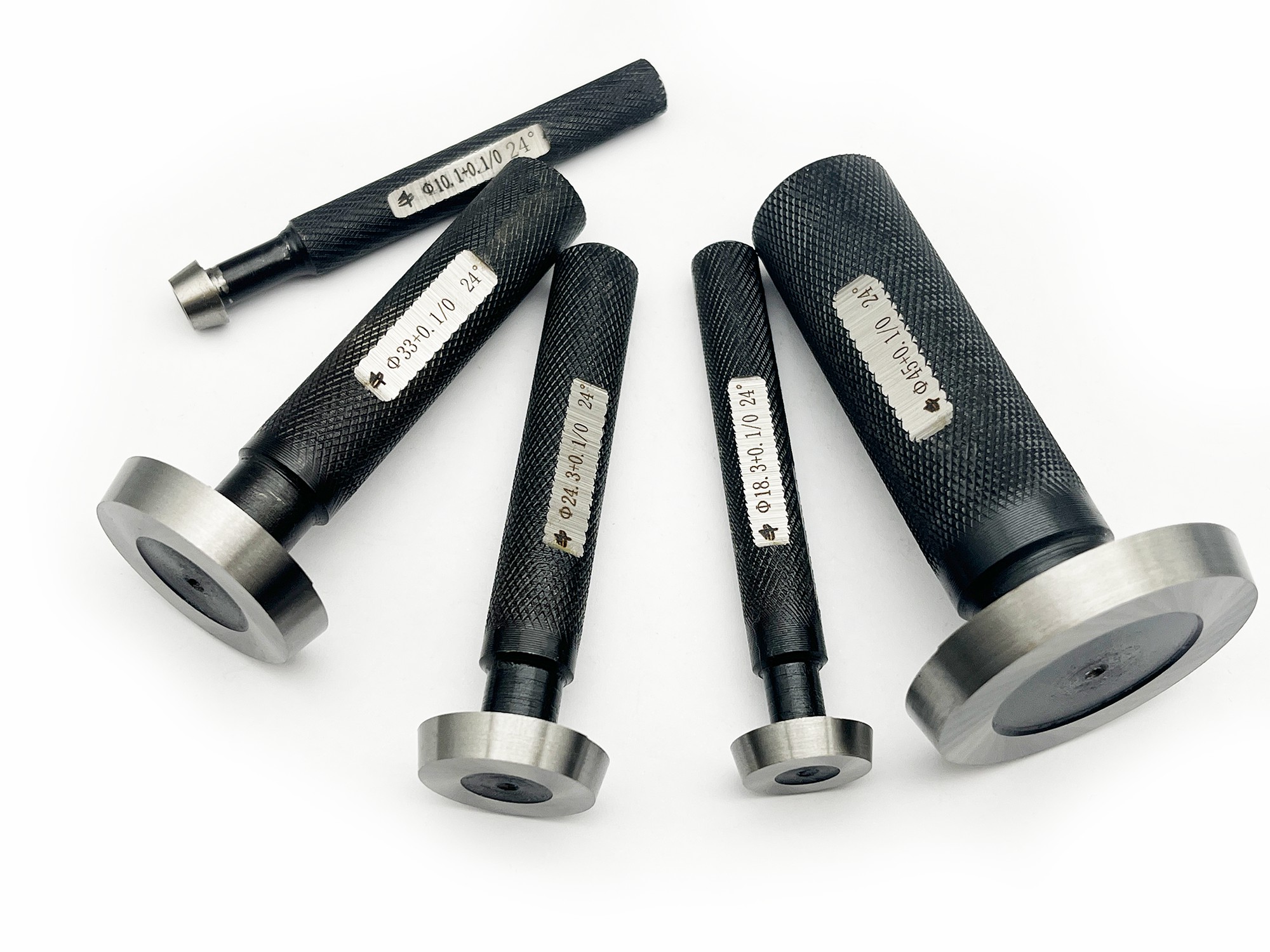
Use correct sleeves and flaring dies for each job
Do not exceed recommended tube size or wall thickness
Train all operators on emergency shutdown procedures
Routine inspection of safety guards and control circuits prevents accidents and ensures compliance with workplace regulations.
Applications Across Industries
Electric sleeve pre-assembly & flaring machines are not limited to one sector. They are used wherever high-pressure tube connections are essential:
Hydraulic Equipment Manufacturing
From excavators to injection molding machines, hydraulic lines depend on leak-free fittings.
Automotive and Heavy Machinery
Brake lines, fuel systems, and hydraulic assist systems require precision tube preparation.
Marine and Offshore
Ships, oil rigs, and subsea equipment need corrosion-resistant flared joints that withstand extreme conditions.
Petrochemical Industry
Refineries and chemical plants demand robust, leak-proof pipelines to prevent hazardous leaks.
How to Choose a Reliable Supplier
Finding the right supplier for your electric-hydraulic sleeve pre-assembly flaring machine can be as important as the technical specs themselves.
1. Check Certifications
Look for ISO 9001, CE marking, or other relevant quality and safety certifications.
2. Evaluate After-Sales Support
Suppliers should offer training, spare parts, and responsive service.
3. Compare Sample Performance
Request a demonstration with your actual tube material to assess real-world performance.
4. Read Customer Reviews
Case studies and verified reviews reveal long-term reliability and support quality.
Conclusion
An electric sleeve pre-assembly & flaring machine is more than just a piece of workshop equipment — it’s a productivity tool, a quality-control mechanism, and a safety assurance system all in one. Whether you’re working with a sleeve preassembly and flaring machine for 6–42 mm tubes or a fully customized industrial model, the right choice will depend on your production volume, material types, and precision requirements.
By understanding how these machines work, comparing electric-hydraulic and manual options, and carefully evaluating suppliers, you can invest in equipment that will deliver reliable performance for years to come. In high-pressure industries, the cost of a poorly formed connection is far greater than the cost of doing the job right the first time — and the right machine makes doing it right easy.
 English
 中文
中文